
From April 28 to 29, Peking University, the London School of Economics and Political Science, and King’s College London jointly hosted the symposium “Global Approaches to Generative AI in Education,” which gathered 120 scholars and experts from around the world, offering trenchant analysis of AI’s impact on education and pedagogy.
The three hosting universities are members of the Digital Intelligence International Development Education Alliance (DI-IDEA), an alliance of top global universities launched by Peking University (PKU) in 2023. 36 of the alliance’s higher education institution members were represented at the symposium.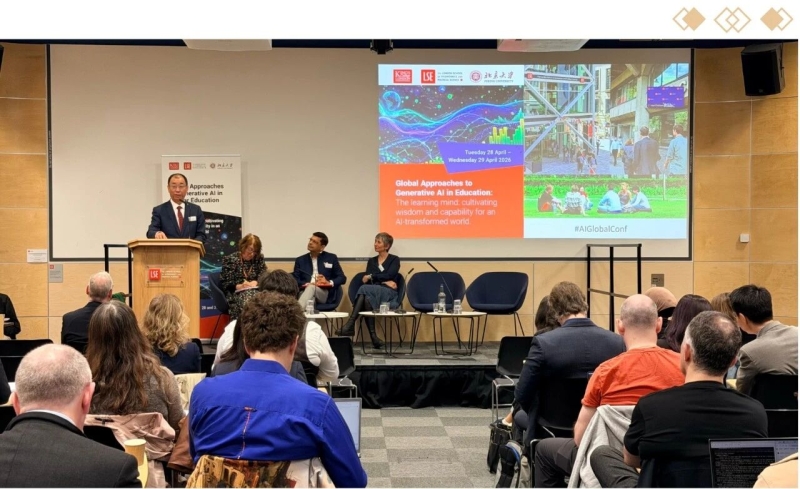
Jiang Guohua led the PKU delegation to attend the symposium
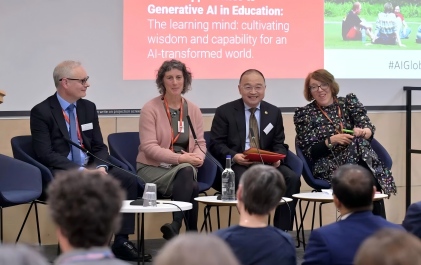
In a discussion session, Jiang Guohua, vice chair of PKU Council, noted that it is imperative to encourage university faculty and students to embrace AI as an engine that drives innovation. “We need to pay attention to the gap in AI use between teachers and students, and strengthen interdisciplinary AI research.”He also introduced PKU’s overarching vision on digital and intelligent education.
The effect of AI in enhancing learning outcomes is being increasingly recognized around the world, and PKU is far from alone in experimenting with its application.
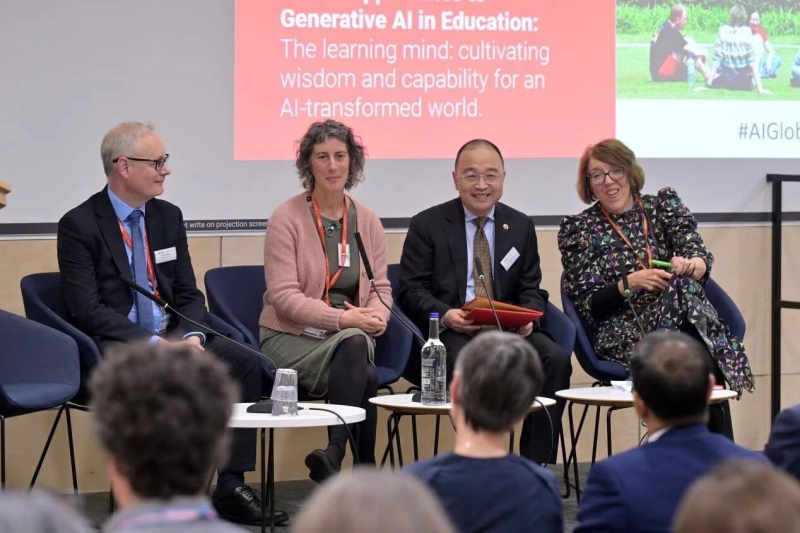
Dr Claire Gordon (PFHEA), Director of LSE Eden Centre, Prof. Sam Smidt, previously Academic Director at King's College London, and Prof. Sun Hua, Director of the PKU Center for Excellent Teaching and Learning, gave opening remarks
Throughout the two-day event, guests from academia and industry shared diverse perspectives on AI development and real cases of AI application in education.
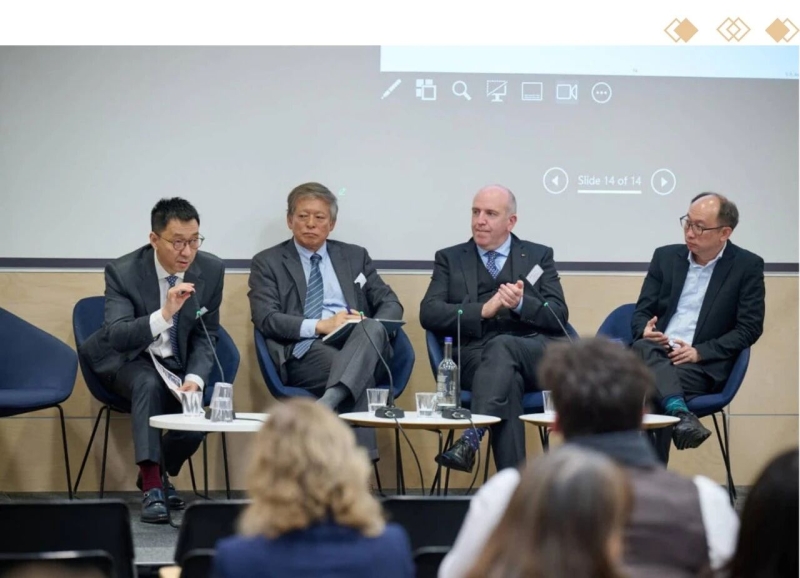
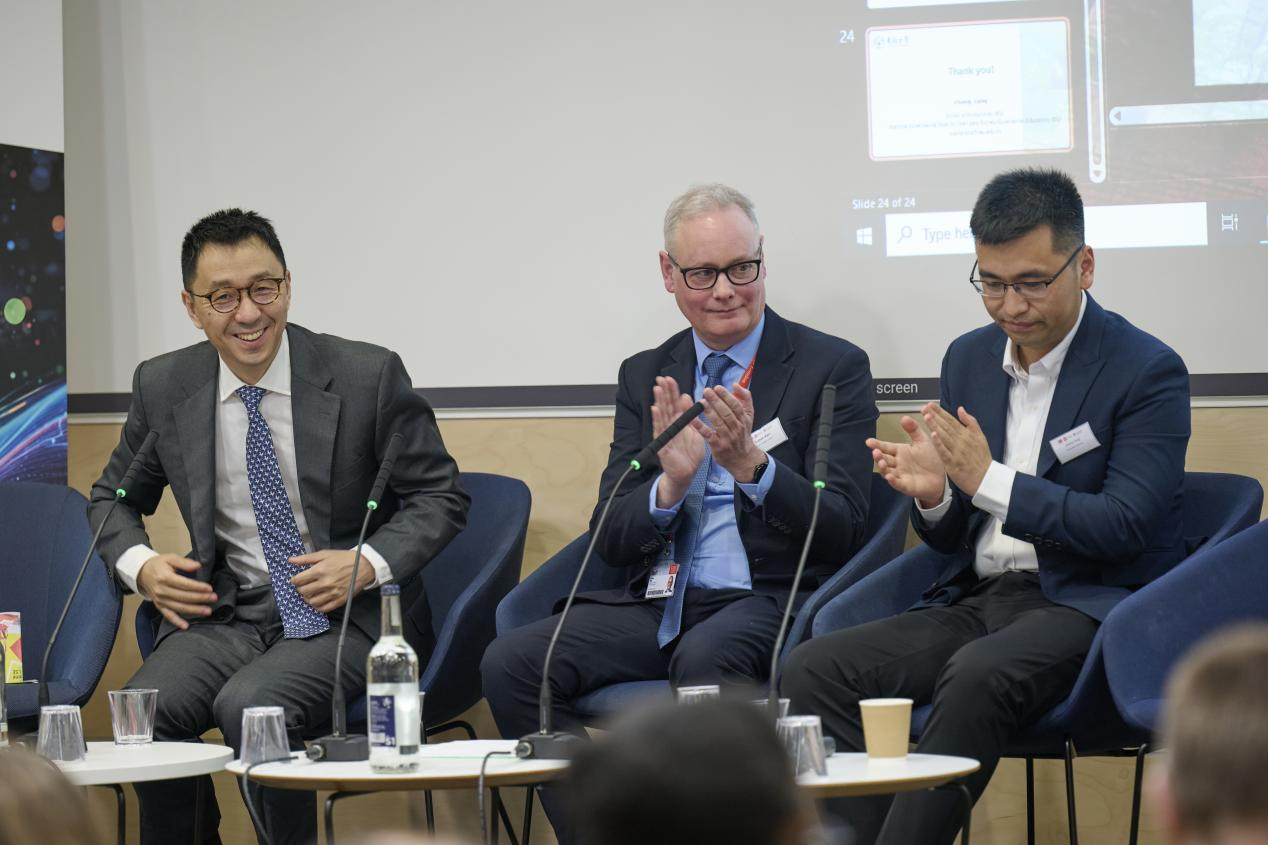 PKUGuanghua Prof. Zhang Ying, DI-IDEA deputy secretary general, hosted the seminar
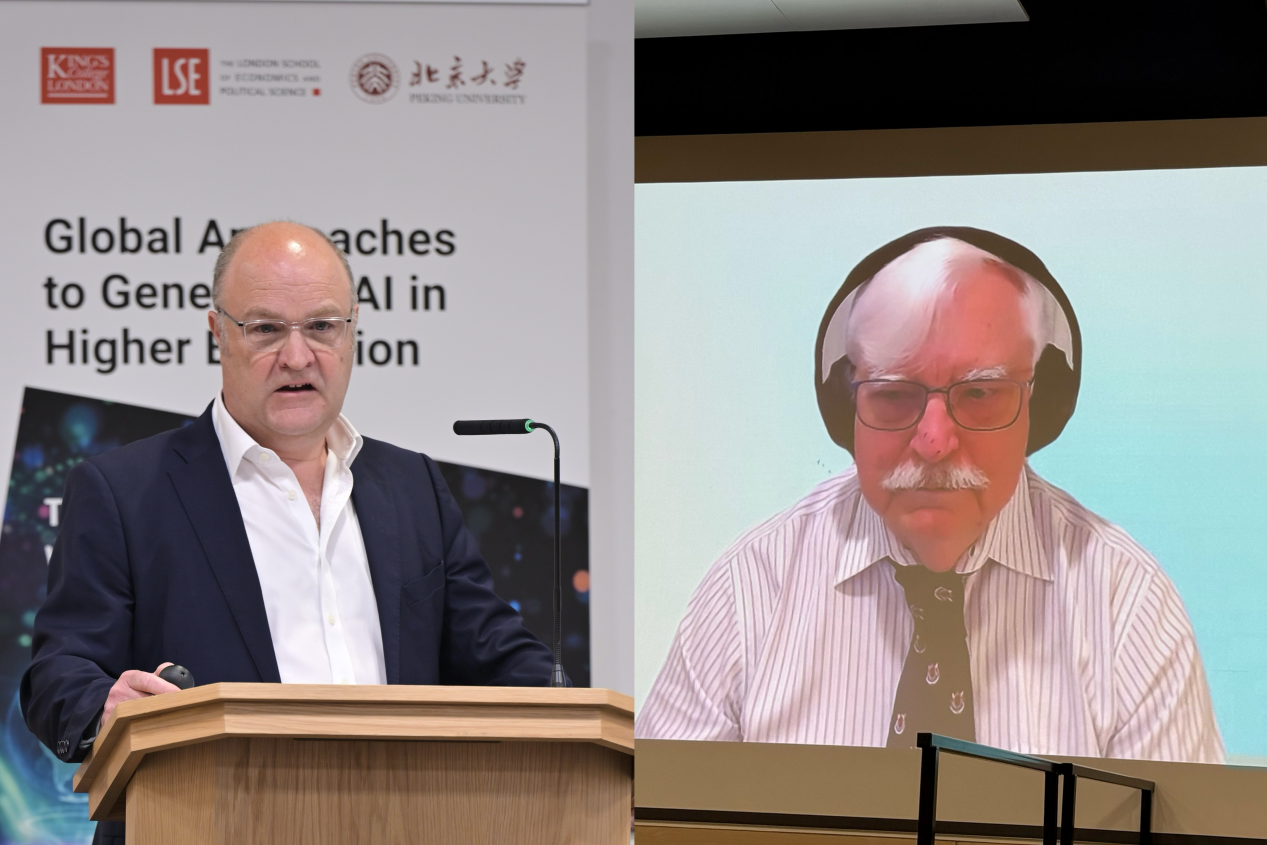
Dr Giles Carden, Chief Strategy Officer at the University of Southampton (left), and Chris Dede, Senior Research Fellow at the Harvard Graduate School of Education (right), delivered keynote speeches
The guests came from an assortment of higher education institutions, professional bodies, and companies, including Harvard University, Nanyang Technological University, OpenAI, IBM, and the Institute of Student Employers, among others.
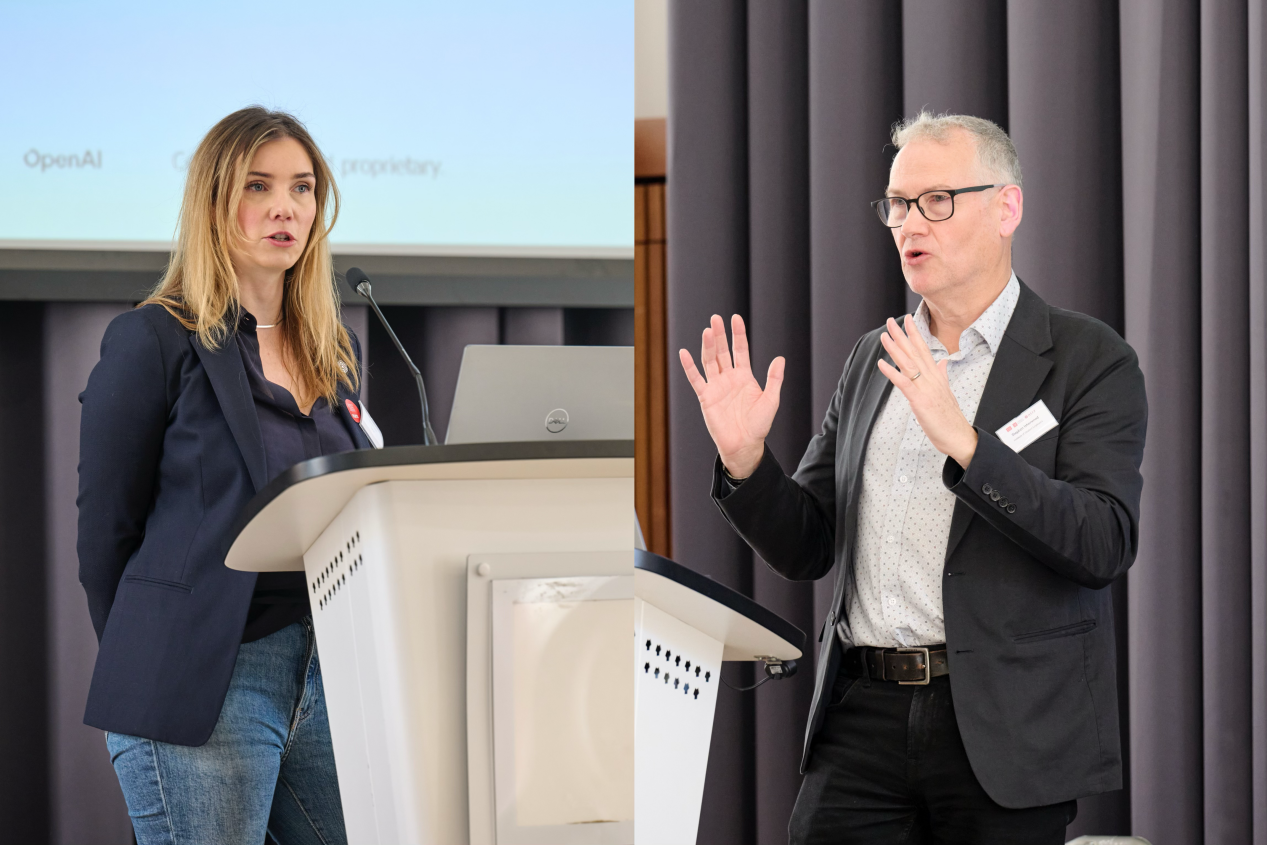 Valerie Focke and Stephen Isherwood, Senior Partners at Hugh James
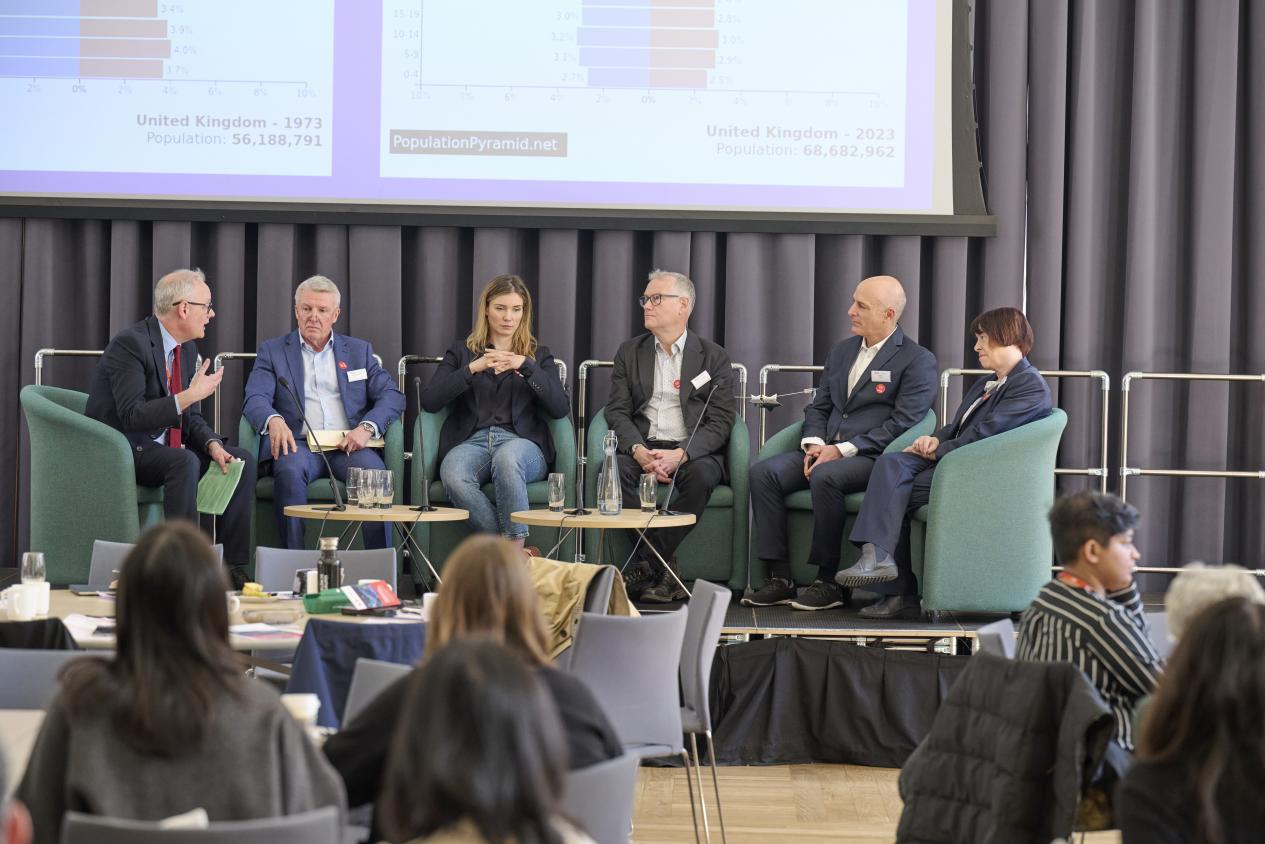
Industry representatives engaged in an in-depth discussion on development pathways and core competencies required in the age of AI
Adding to the sense of techno-futurism, Sun Hua, secretary general of DI-IDEA, announced the official launch of the Third Global Digital Intelligence Education Innovation Competition, which offers a platform for exploring AI’s use in teaching and learning. The competition will have three main tracks: AI for Science, AI for Teaching and Learning, and AI for Medicine.
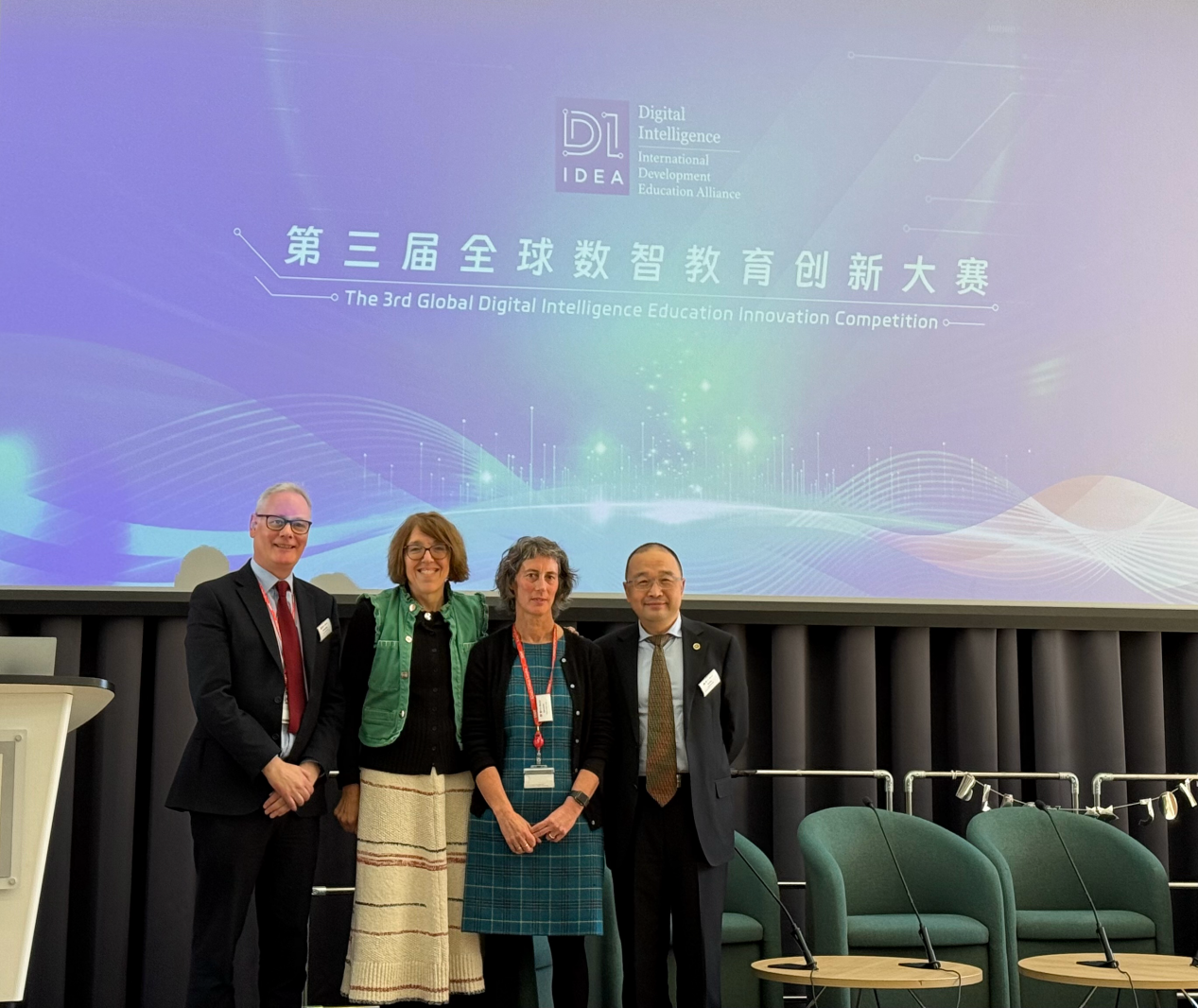 The launch of the Third Global Digital Intelligence Education Innovation Competition
On the sidelines of the symposium, Jiang Guohua engaged in discussions with delegates from King’s College London, Nanyang Technological University, Singapore Management University, and University of Cambridge on cooperation regarding DI-IDEA. Moreover, multiple agreements were reached between the PKU delegation and Dublin City University.
The symposium underlined PKU’s pragmatism and initiative in facilitating multilateral cooperation in an era marked by sweeping changes driven by AI.
International symposium illuminates AI’s impact on education